ISO Certification for Softline and Accessories Industry
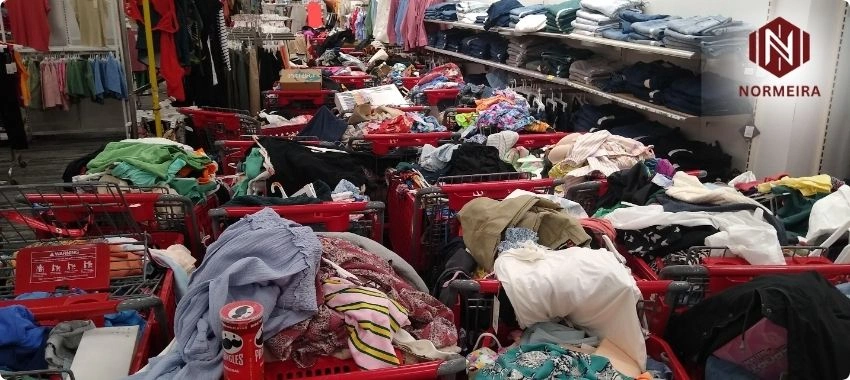
The softline and accessories sector plays a vital role in the global retail and fashion ecosystem. This industry includes products such as garments, footwear, handbags, fashion accessories, and textiles. Unlike durable goods, softline products are typically made from flexible materials and are influenced by rapidlDue to shorter product life cycles and intense market competition, businesses in this sector must maintain high standards of quality, compliance, and sustainability. This is where ISO certification becomes essential for long-term growth and global recognition.
Major ISO Standards for the Softline and Accessories Sector
Organizations in this industry commonly implement the following ISO standards:
- ISO 9001– Quality Management System
- ISO 14001– Environmental Management System
- ISO 45001– Occupational Health and Safety
- ISO 26000– Social Responsibility Guidance
These standards help companies align their processes with international best practices and improve overall business performance.
Key Benefits of ISO Certification in the Fashion and Accessories Industry
Implementing ISO standards provides several strategic advantages:
- Enhances product quality and consistency
- Opens doors to international trade opportunities
- Streamlines operations and reduces unnecessary costs
- Improves supply chain management and vendor relationships
- Ensures compliance with global buyer requirements
ISO Certification and Sustainability in Fashion
Sustainability has become a major focus in the fashion and accessories industry. Consumers today prefer brands that follow ethical sourcing and environmentally responsible production methods.
ISO certification supports businesses in achieving sustainability goals by:
What is ISO Certification, and Why is It Important for the Softline and Accessories Industry?
ISO certification is a globally recognized standard that confirms the company's compliance with best practices in quality, safety, and sustainability. For the softline and accessories sector, this certification enhances the brand's reliability and opens up international market access.
- Reducing environmental impact through better resource management
- Promoting energy efficiency and waste reduction
- Supporting ESG (Environmental, Social, Governance) commitments
- Encouraging responsible manufacturing practices
Standards like ISO 14001 (Environmental Management) and ISO 50001 (Energy Management) are particularly important for companies aiming to minimize their carbon footprint and improve eco-friendly operations.
Why Choose NORMEIRA for ISO Certification?
NORMEIRA understands the dynamic nature of the softline and accessories industry and offers tailored ISO certification solutions to meet your business needs.
With NORMEIRA, you get:
- Industry-specific expertise and guidance
- End-to-end support from documentation to certification
- Practical and efficient implementation approach
- Compliance with international standards and buyer expectations
- Reliable and transparent certification process
Whether you are a textile manufacturer, fashion brand, or accessories exporter, NORMEIRA helps you achieve certification smoothly and efficiently.
Importance of ISO Certification in the Softline Sector
ISO certification demonstrates that your organization follows globally accepted standards in quality, safety, and sustainability. It not only strengthens your brand image but also improves your chances of working with international buyers, retailers, and distributors.
In a highly competitive industry, ISO certification acts as a strong differentiator and builds long-term trust with stakeholders.
Is ISO Certification Mandatory for Fashion Businesses?
ISO certification is not legally required in most countries. However, it is often expected by international clients, retailers, and importers. Many global brands prefer working only with ISO-certified suppliers to ensure consistency, quality, and ethical practices.
- ISO 9001 Certification
- ISO 14001 Certification
- ISO 45001 Certification
- HACCP Certification
- ISO 22000 Certification
- ISO 22716 Certification
- Halal Certification
- ISO 27001 Certification
- ISO 22301 Certification
- ISO 41001 Certification
- ISO 50001 Certification
- ISO 10002 Certification
- ISO 10004 Certification
- ISO 26000 Certification
- ISO 31000 Certification
- ISO 20400 Certification