
ISO Certifications for the Aerospace Industry
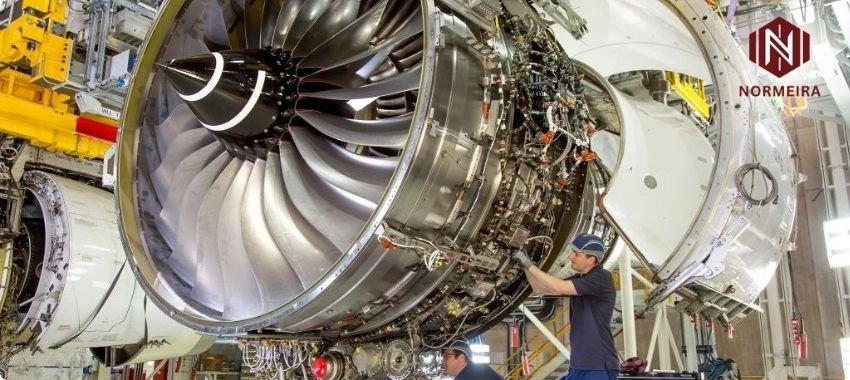
The aerospace industry drives innovation across aviation, defense, and space exploration, covering the design, production, and maintenance of aircraft, spacecraft, drones, and related systems. With increasing demands for precision, safety, and environmental responsibility, aerospace companies must maintain internationally recognized standards. Achieving ISO certifications is a strategic move to enhance credibility, demonstrate compliance, and secure global market opportunities. ISO certifications help aerospace organizations reduce operational risks, improve efficiency, and strengthen customer trust by adhering to internationally recognized best practices.
Aerospace Industry NACE Codes
The NACE classification identifies industries for regulatory and statistical purposes. Key codes for aerospace manufacturing include:
-
NACE Code 30.30 - Manufacture of Air and Spacecraft and Related Machinery: Covers aircraft, helicopters, drones, and spacecraft for commercial, military, and research applications.
Relevant IAF Codes for Aerospace
The International Accreditation Forum (IAF) assigns industry codes to align ISO certifications with sector-specific requirements:
-
IAF Code 34 – Aerospace Industry- Includes ISO 9001:2015, AS9100, ISO 14001, and other standards relevant to aerospace manufacturers, suppliers, and service providers.
Key ISO Certifications in Aerospace
Aerospace companies benefit from multiple ISO standards that ensure quality, safety, and environmental compliance:
- ISO 9001:2015- Standardizes quality management systems to guarantee product consistency and performance.
- AS9100- Aerospace-specific quality standard covering aviation, space, and defense operations.
- ISO 14001:2015- Supports environmental responsibility by minimizing emissions and resource usage.
- ISO 45001:2018- Establishes occupational health and safety protocols for aerospace manufacturing and maintenance.
- ISO 50001:2018 (Optional)- Encourages energy efficiency and sustainable operations in aerospace facilities.
Why ISO Certification is Vital in Aerospace?
- Superior Product Quality- Standardization ensures high precision in critical aerospace components.
- Enhanced Safety Compliance- Adhering to ISO and AS9100 standards reduces operational and workplace risks.
- Global Recognition- ISO certification enables aerospace companies to compete internationally.
- Customer Trust & Credibility- Demonstrates commitment to quality, safety, and regulatory compliance.
- Sustainable Operations- ISO 14001 helps aerospace firms adopt eco-friendly practices and reduce their carbon footprint.
Benefits of ISO Certification for Aerospace Companies
- Operational Efficiency- Streamlined processes, lower defects, and optimized resource usage.
- Market Expansion- ISO-certified companies gain trust in international markets.
- Regulatory Compliance- Stay ahead of local and global aerospace regulations.
- Employee Safety- ISO 45001 promotes safe working conditions, reducing accidents and downtime.
- Sustainability Leadership- ISO 14001 demonstrates environmental responsibility.
- Competitive Advantage- Enhances brand reputation and client confidence globally.
Why Aerospace Companies Invest in ISO?
- Risk Mitigation- Reduces the likelihood of product recalls and safety incidents.
- Supplier Confidence- ISO-certified suppliers attract larger aerospace manufacturers for contracts.
- Innovation Enablement- Quality management systems allow aerospace firms to innovate while ensuring compliance.
- Long-term Cost Savings- Efficient processes and waste reduction lower operational expenses.
- ISO 9001 Certification
- ISO 14001 Certification
- ISO 45001 Certification
- HACCP Certification
- ISO 22000 Certification
- ISO 22716 Certification
- Halal Certification
- ISO 27001 Certification
- ISO 22301 Certification
- ISO 41001 Certification
- ISO 50001 Certification
- ISO 10002 Certification
- ISO 10004 Certification
- ISO 26000 Certification
- ISO 31000 Certification
- ISO 20400 Certification