
How Does a Full Body Safety Harness Improve Safety at Work at Heights?
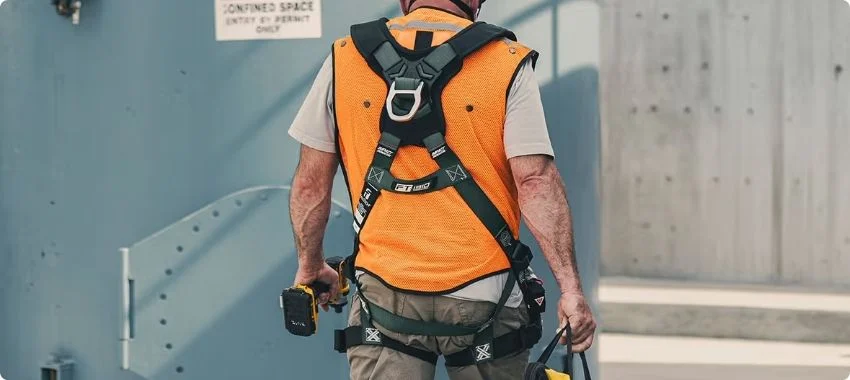
Working at heights is one of the most dangerous activities in industries such as construction, maintenance, oil and gas, telecommunications, and logistics. Falls from height remain a leading cause of serious injuries and fatalities worldwide. This is where a full-body safety harness plays a crucial role in enhancing worker safety, mitigating risks, and ensuring compliance with occupational safety standards.
A full-body safety harness is not just a piece of equipment—it is a life-saving system designed to distribute fall forces across the strongest parts of the human body while keeping the worker securely attached to a fall protection system. Understanding how it improves safety helps organizations and workers make informed decisions and build a safer work environment. Businesses sourcing certified protective equipment often rely on structured compliance services such as CE Marking Certification to ensure their PPE meets recognized international safety standards.
What is a Full-Body Safety Harness?
A full-body safety harness is a personal protective equipment (PPE) device worn by workers at height. It consists of straps that wrap around the shoulders, chest, waist, and thighs. The harness is connected to a lanyard, lifeline, or anchorage point to prevent or arrest a fall.
Unlike basic belts used in the past, modern harnesses are designed to protect the entire body by evenly distributing impact forces. This reduces the risk of severe injury during a fall and increases survival chances significantly.
1. Distributes Fall Impact Across the Body
One of the most important safety benefits of a full-body safety harness is its ability to distribute fall forces. In the event of a fall, the harness spreads the shock load across:
- Thighs
- Pelvis
- Chest
- Shoulders
This prevents excessive pressure on any single body part, especially the abdomen or lower back. Without this distribution, the force of a sudden fall could cause internal injuries or spinal damage.
From an engineering safety perspective, this load distribution is essential for reducing trauma and improving post-fall outcomes.
2. Prevents Free Fall and Reduces Injury Risk
A full-body safety harness is part of a fall arrest system that includes lanyards and anchor points. When properly connected, it limits the distance a worker can fall.
This controlled fall distance significantly reduces the impact velocity. The shorter the fall, the lower the force generated on the body upon stopping. This directly minimizes injuries such as fractures, head trauma, or internal organ damage.
In high-risk environments like scaffolding, roofing, or tower climbing, this feature is a critical layer of protection. Guidelines from OSHA's fall protection standards highlight how controlled fall distance is central to preventing serious workplace injuries.
3. Keeps Workers Securely Attached to Anchor Points
Another key safety improvement comes from secure anchorage. A full-body safety harness ensures that workers remain attached to a certified anchor point at all times while working at height.
This continuous connection reduces the chance of accidental slips becoming fatal falls. Many modern harness systems include:
- Double lanyards for continuous connection
- Self-retracting lifelines for controlled movement
- Energy absorbers to reduce impact force
These features enhance mobility while maintaining maximum safety.
4. Enhances Worker Stability and Balance
A properly fitted harness improves body stability, especially when working on uneven or elevated surfaces. Workers can lean, reach, or adjust positions without losing balance easily.
This is especially important in industries such as:
- Construction on scaffolds
- Wind turbine maintenance
- Steel structure installation
- Electrical tower servicing
By improving posture control and reducing sudden movements, the harness indirectly prevents slips and loss of balance.
5. Reduces the Severity of Secondary Injuries
Falls from height can lead to secondary injuries such as swinging impacts (pendulum effect), collisions with structures, or prolonged suspension trauma. A well-designed full-body safety harness helps reduce these risks.
Modern systems include features such as:
- Shock-absorbing lanyards
- Fall arrest indicators
- Proper dorsal D-ring placement
These reduce uncontrolled motion after a fall and help stabilize the worker quickly.
6. Improves Compliance with Safety Regulations
Occupational safety standards such as OSHA, EN, and ISO require the use of fall protection systems when working at height. Using a full-body safety harness ensures compliance with these legal requirements.
Compliance is not only about avoiding penalties—it reflects a company's commitment to worker safety and operational excellence. It also helps build trust among employees, clients, and regulatory authorities.
7. Supports Safe Work Productivity
A common misconception is that safety equipment slows down work. In reality, a full-body safety harness improves productivity by giving workers confidence.
When workers feel secure, they:
- Focus better on tasks
- Reduce hesitation and fear
- Perform complex operations more efficiently
This psychological safety contributes directly to better performance and fewer accidents.
8. Ergonomic Design Enhances Comfort During Long Use
Modern full-body safety harnesses are designed with ergonomics in mind. Features like padded shoulder straps, breathable materials, and adjustable buckles ensure comfort during long working hours.
Comfort plays an important role in safety because uncomfortable gear may lead to improper usage or removal of the harness, increasing risk. A well-fitted harness encourages consistent use and correct positioning.
Conclusion
A full-body safety harness is one of the most essential safety tools for anyone working at heights. It improves safety by distributing impact forces, preventing free falls, enhancing stability, and ensuring compliance with safety standards.
More importantly, it creates a safer working environment where workers can perform their tasks with confidence and reduced risk. In industries where a single mistake can lead to life-threatening consequences, investing in a high-quality full-body safety harness is not optional—it is a necessity.
FAQ
What is a full-body safety harness used for?
It is used to protect workers from falls by securing the body and connecting it to a safe anchor point.
How does it improve safety at work at heights?
It reduces fall impact, prevents free falls, and distributes force evenly across the body to minimize injury.
Where is a full-body safety harness required?
It is required in construction, maintenance, telecom, oil & gas, and any work performed at elevated heights.
Is a full-body safety harness comfortable to wear?
Yes, modern harnesses are designed with padding and adjustable straps for better comfort during long use.
Can a harness completely stop accidents?
It cannot stop accidents from happening, but it greatly reduces the risk of serious injury or death during a fall.
- 8 Halal Certification Businesses Advantage
- Businesses in Saudi Arabia Reduce Operational Non-Conformities
- Full Body Safety Harness Improve Safety at Work
- ISO Certification Bodies Evaluate Audit Process
- Timeline of Saber Certificate in KSA
- The Role of ISO Certification Bodies
- Top ISO 9001 Mistakes Companies Make in Saudi Arabia
- ISO Certification Body vs an Accreditation Authority
- What Is Quality Assurance and its Importance
- What is GHP in Saudi Arabia?
- IRCA Lead Auditor vs Internal Auditor
- CITC Certification in Saudi Arabia
- What Is the Saudi Arabia Short Form?
- Why Do Businesses Need a HALAL Company in KSA for Certification?